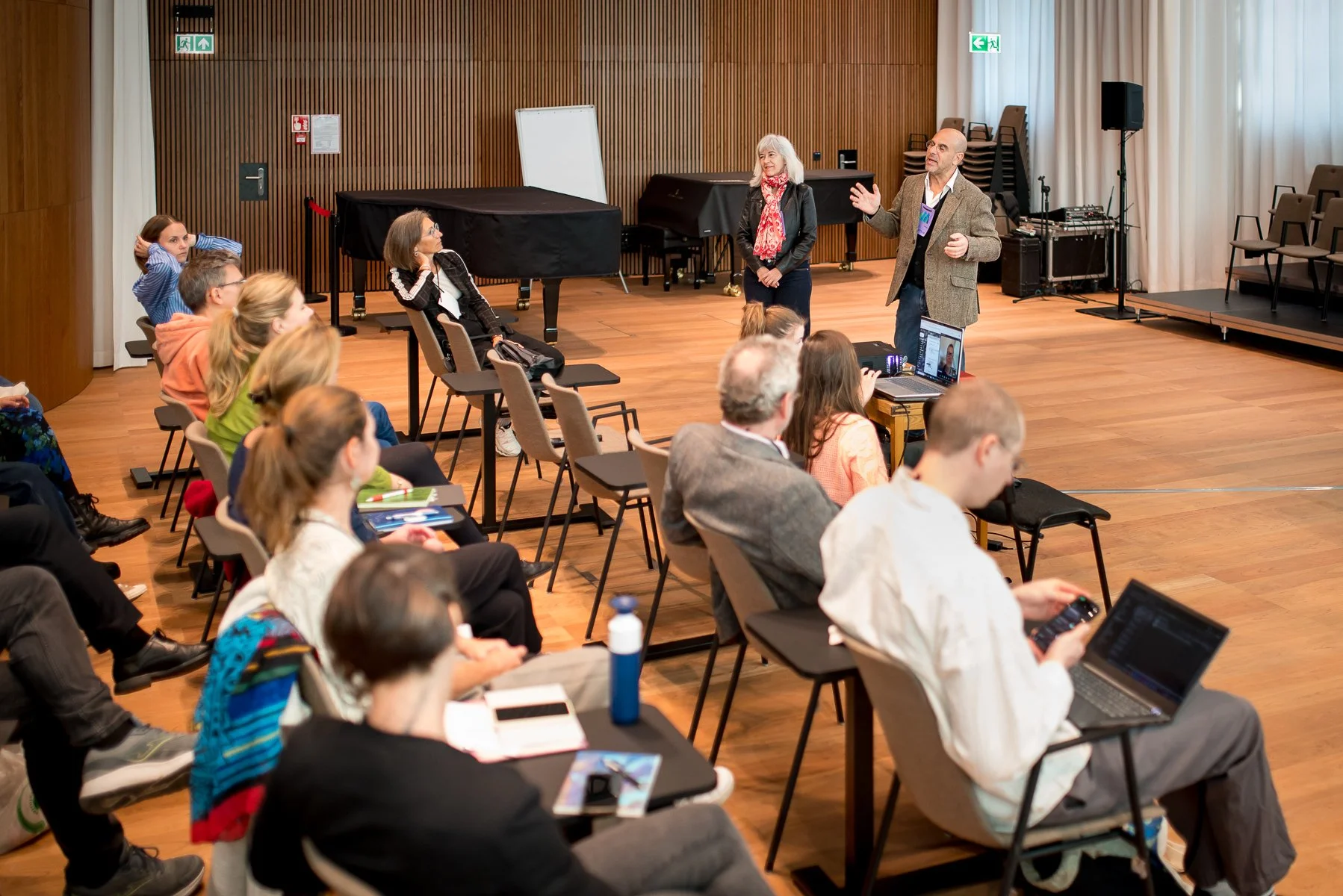
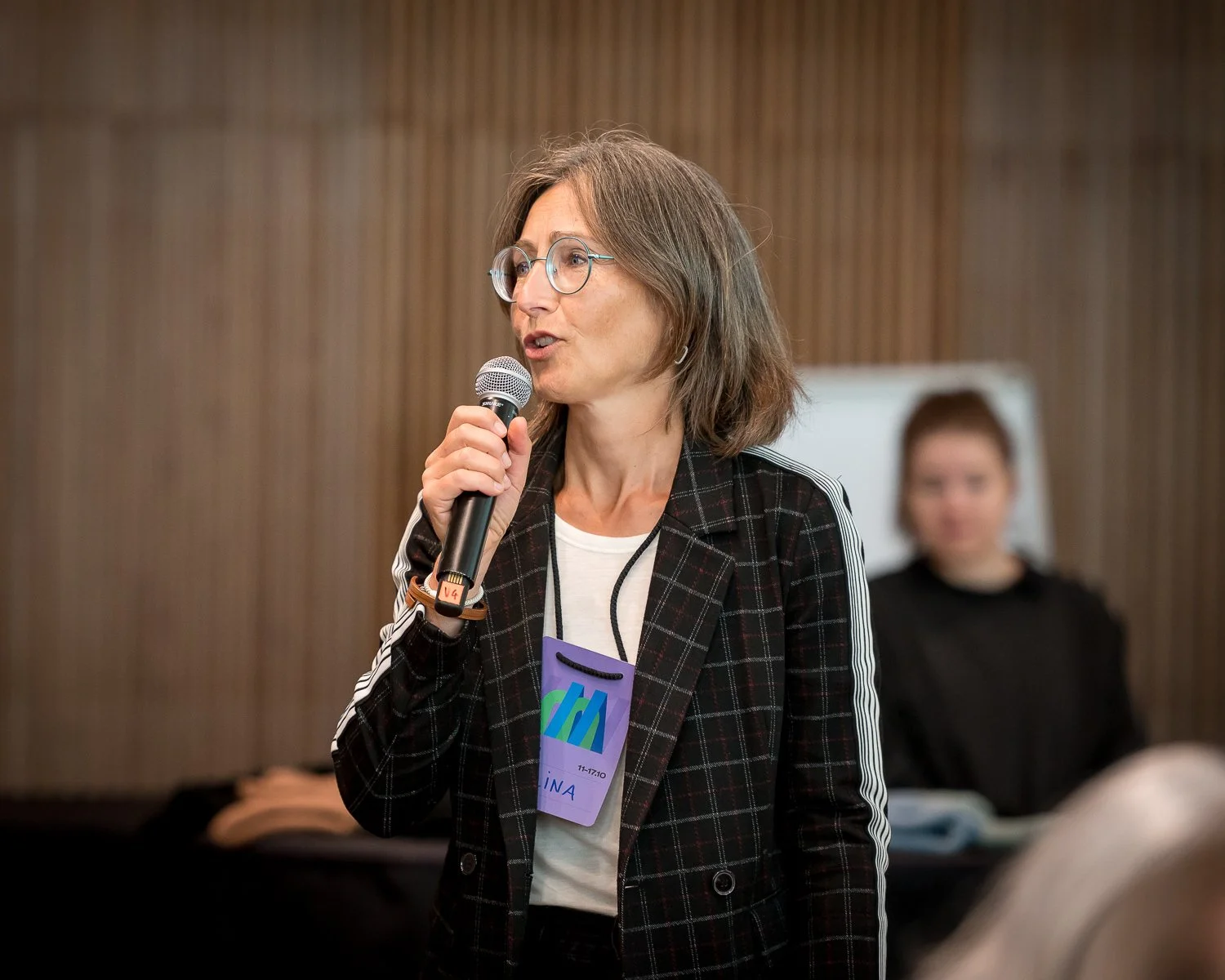
What happens when classical music reaches beyond the concert hall? And how can these experiences reshape the higher music education of tomorrow’s musicians? These questions were at the heart of the midterm Assembly of 1000+ Concerts: Innovating Higher Music Education through Social Inclusion.
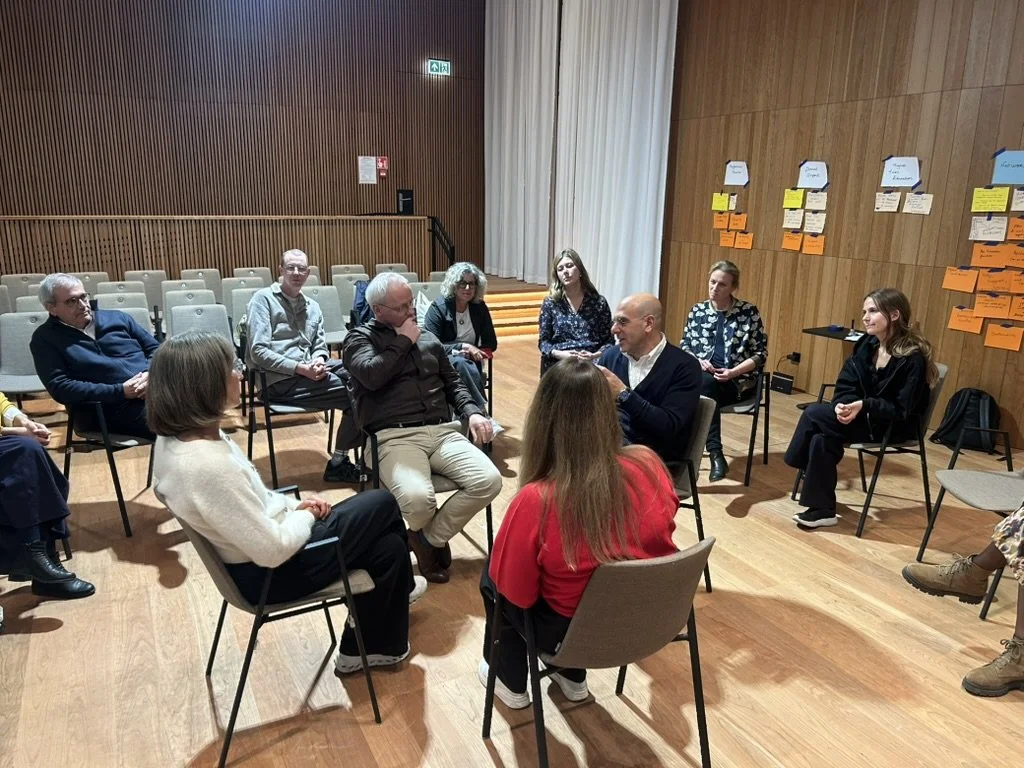
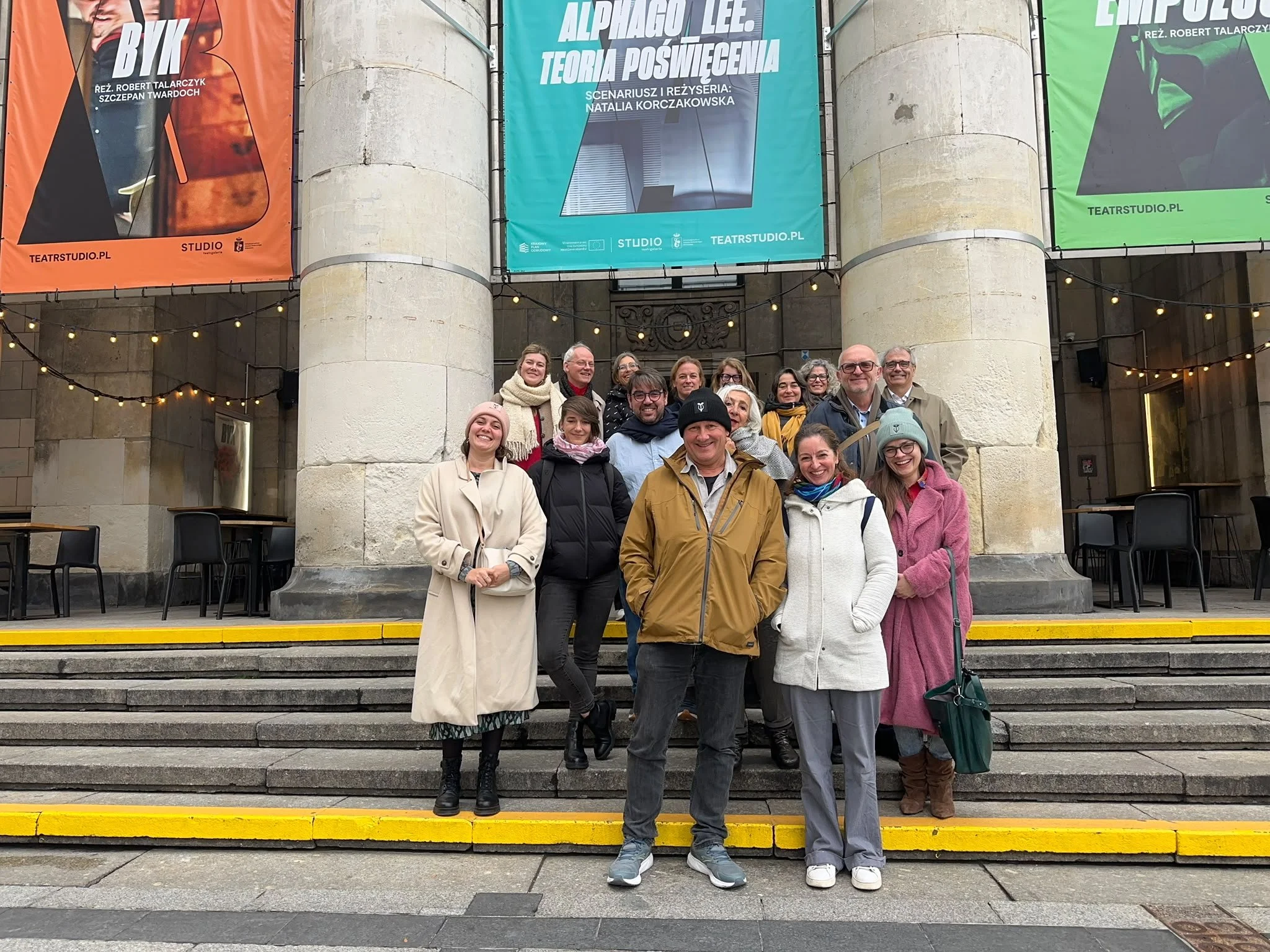
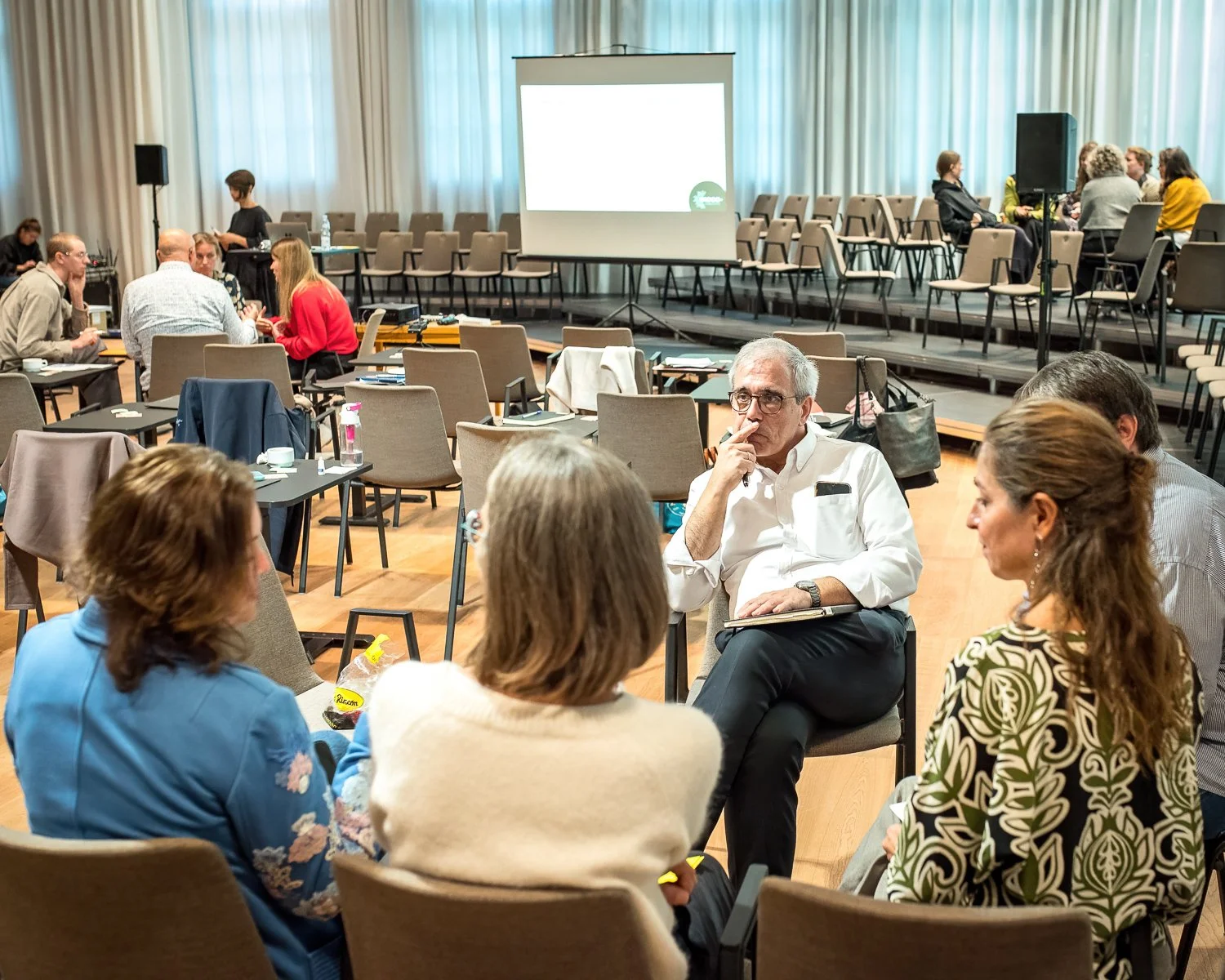
From October 15th to 18th, 2026, the consortium partners of 1000+ Concerts, many of whom were meeting in person for the first time, gathered at Sinfonia Varsovia in Warsaw for their General Assembly. The meeting offered an opportunity to take stock of the project's progress, exchange perspectives across the consortium, and consider how its work can continue to develop during the second half of the project, and sustainably, beyond the funding period.
The project reached its 500th concert, marking the halfway point towards its goal of delivering more than 1000 concerts across Europe. But the numbers tell only part of the story. The project has reached 25.814 listeners across Europe to date. Performing regularly in different social settings has a strong impact on young musicians' artistic skills, listening, communication with audiences, and understanding of their professional role.
Focusing on evaluating the project and experiences of the impact so far, the partners looked beyond the number and discussed what delivering hundreds of concerts in social institutions has taught them about music education, audience engagement, and inclusion:
When performance becomes the learning experience
The interim evaluation of 1000+ Concerts gathered feedback through a pilot survey of young musicians, tutors, and social institutions.
Among the musicians surveyed, 84% reported high levels of development in their performance abilities, while 86% reported improvements in ensemble playing and flexibility. Students rated their improvement in chamber music skills particularly highly, with an average score of 4.35 out of 5, followed by stage confidence at 4.28. Moreover, 93% considered the experience extremely useful for their studies. Interestingly, tutors and participating musicians assessed the learning curve and improvements across different categories almost identically.
Another particularly interesting finding is that musicians who participate in Musethica sessions more than once tend to report greater improvements in areas such as musical expression and interpretation, stage confidence, chamber music interaction and technical development. This suggests that returning to this performance environment can deepen the learning experience over time.
Feedback from hosting social institutions was equally encouraging: all respondents would recommend the Musethica experience, and 98% wanted to repeat it.
The findings also offer important points for reflection. While students reported strong development in musical and interpersonal skills, improvements in technical skills were less pronounced, with an average score of 3.15 out of 5. This is certainly not an absence of progress. On the contrary, achieving technical improvements within the space of just one intensive week is a considerable accomplishment. The result therefore raises the question about what can realistically be achieved during an intensive one-week programme, and reminds us that some of the most meaningful learning outcomes emerge not only in technical development, but also in how musicians listen, interact, perform and relate to their audiences.
Together, these findings confirm the consortium’s work and the value of intensive performance practice, tutor support and encounters with diverse audiences. They also point to the next chapter of the second project half: gathering further documenting of learnings and translating these into sustainable models that institutions can test and integration into higher music education.
Audience engagement in practice
Musethica brings young musicians into social institutions, including hospitals, care homes and schools, creating opportunities for people to experience live classical music beyond traditional concert venues.
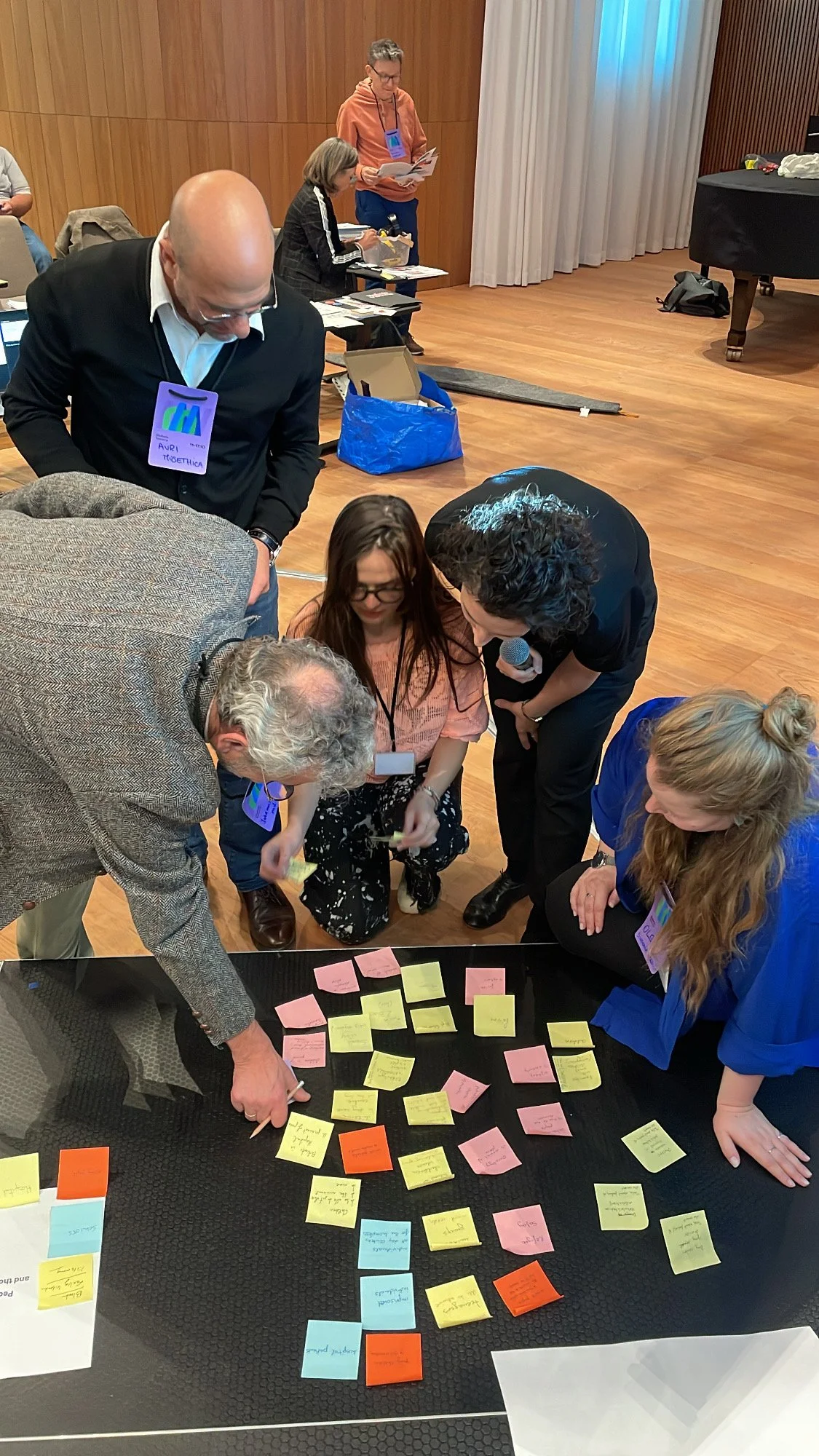
According to the evaluation, musicians and tutors alike most frequently identified stage experience and adaptability as benefits, followed by communication with audiences. A dedicated workshop on inclusion translated these questions into concrete ideas for making concerts more accessible and communicating with diverse audiences. Participants explored practical measures such as offering tactile introductions to instruments for blind and visually impaired audiences, and using simple language, pictograms and visual aids to support people with intellectual disabilities or autism. The discussions offered practical tips for musicians on how to engage with audiences, introduce themselves, and remain attentive and responsive to the different needs of the people in the room.
The European dimension of 1000+ Concerts: what cross-border cooperation makes possible
How will the project's approach to performance training evolve, and how can it contribute to sustainable European cooperation? The next phase will build on the knowledge, experience and partnerships established during the funded project.
The commitment to finding sustainable ways to continue the consortium’s work and to creating human encounters remains. And finally: The success of 1000+ Concerts is not measured only by how many concerts we deliver, but also by how musicians learn, what audiences experience, and what continues long after the final performance.
What will the next 500 concerts make possible? Follow 1000+ Concerts to discover upcoming performances, project resources and stories from across the European partnership.